The right NFT landing page template can define the success of your Web3 project. These pages are not just design shells-they are full-stack launch tools built for high conversion, brand trust, and user flow. Whether you're building an AI NFT generator, launching a collection, or scaling a marketplace, a strong Web3 layout helps deliver your token’s narrative with clarity and impact.
Why You Need a Web3 NFT Landing Page Template
Creating a Web3 or NFT landing page from scratch wastes valuable time. Pre-optimized templates offer speed, structure, and UX consistency, which are vital for mint phases, whitelist campaigns, and early adoption. Most winning Web3 landing pages follow a pattern:
Strong hero block with mint or connect wallet CTA
Tokenomics, roadmap, team, and trust signals
Scannable layout for mobile-first users
Dark/light mode support for global audiences
Grooic’s custom landing page services ensure these components are not just included but optimized for Web3-specific user psychology.
Best Web3 NFT Landing Page Templates by Platform
1. Framer NFT Generator Templates
Framer offers motion-native layouts that make NFT mints feel premium. It's ideal for animated previews, real-time countdowns, and dynamic minting dashboards. Choose Framer if your launch strategy needs sleek transitions, wallet integration, and responsive storytelling.
Popular layout: Framer Web3 NFT Generator Templates
2. Figma NFT Generator Templates
Figma is the designer’s toolkit for precision and collaboration. Our templates provide brand kits, reusable components, and light/dark UI options built specifically for Web3 use cases. If you’re a creative team or startup planning MVPs or pitch decks, start here.
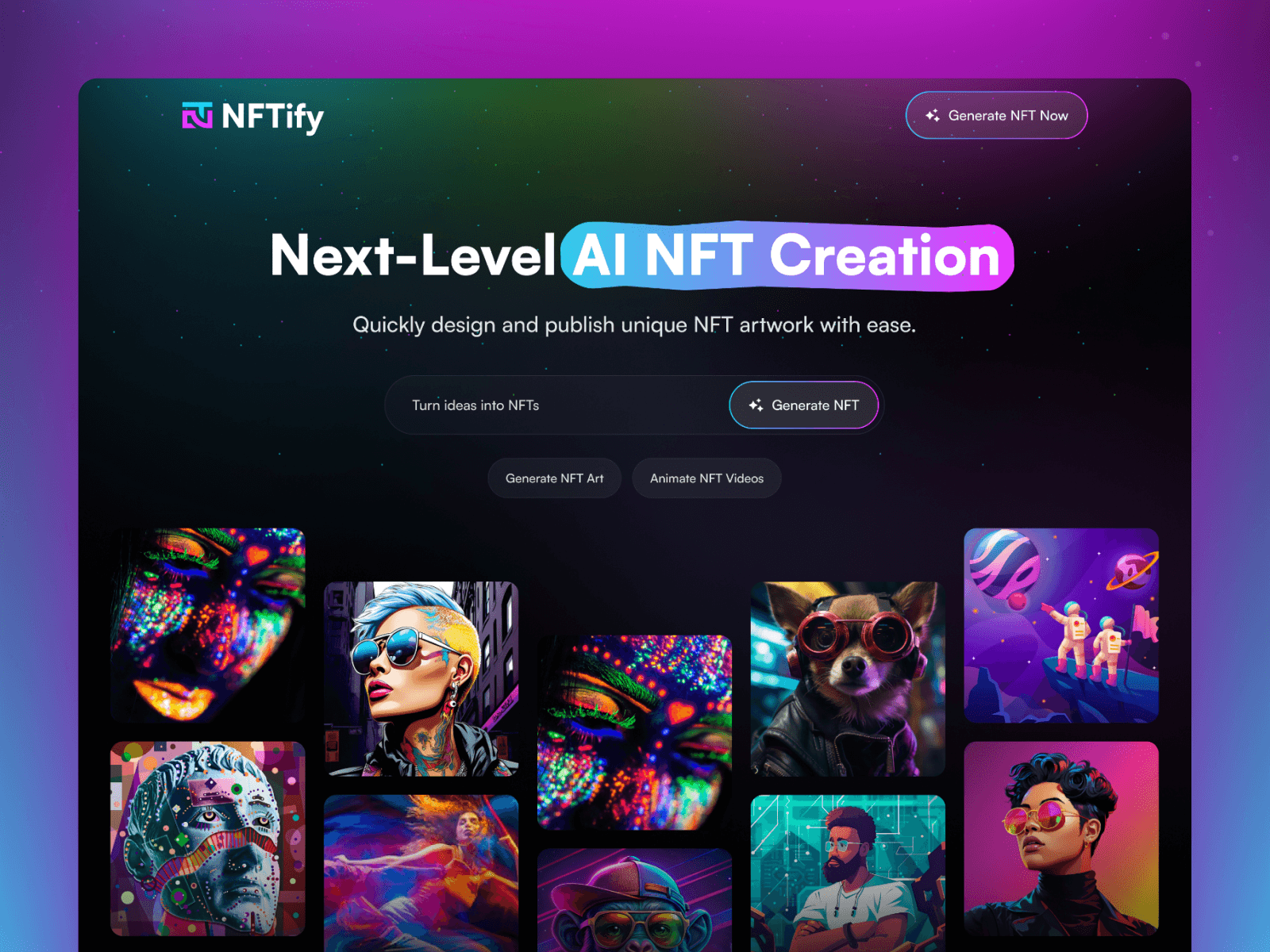
Try layout kits like “Peng” or "NFTify" for vibrant visual storytelling: Figma Web3 NFT Generator Templates
What Makes a High-Converting NFT Landing Page?

Using templates designed with conversion psychology gives Web3 creators a performance edge. Each block is structured to guide attention, remove friction, and build user belief, especially during high-stakes moments like NFT drops or presales.
Key UX Elements:
Scroll-triggered animations (Framer)
Above-the-fold CTAs
Community proof (X/Twitter feeds, Discord stats)
Embedded minting widgets
FAQ sections with SEO-rich answers
Explore how Grooic did it in action: Launch Your NFT Project with Peng
Figma or Framer: Which Is Better for NFT Pages?
Choosing between Figma and Framer depends on your launch method. Figma is ideal for static designs, MVPs, and dev handoffs. Framer is best for motion, dynamic interactions, and full no-code deployments.
Compare deeper here: Framer vs Figma for Web3 Startups
Conclusion:
A winning NFT landing page is not a trend's a strategic asset. Web3 startups that prioritize UX clarity, trust components, and structured conversion funnels consistently outperform those who don’t. Use Grooic’s optimized templates and build smarter, not slower.
Want to launch faster?
Get a high-converting landing page instantly with our premium templates.
Browse templates
FAQ
Frequently asked questions
01
What should an NFT landing page include?
A high-converting NFT landing page should include:
Project overview and mission
Minting CTA (wallet connect, whitelist, or “Buy NFT”)
Tokenomics or benefits
Visual preview or collection teaser
Team transparency, roadmap, and community links
02
Should I use Framer or Figma for NFT websites?
Framer is better for live deployment with interactions, animations, and no-code workflows. Figma is better for design handoff to devs, branding kits, or wireframing NFT UX.
03
Can I use templates for AI NFT generators?
Yes. Grooic offers NFT generator templates designed for AI image minting tools and smart contract UI.
04
What’s the difference between a Web3 and a Web2 landing page?
Web3 pages need:
Wallet integrations
Decentralized authentication (wallet connect, ENS)
On-chain logic explanation (tokenomics, DAO structure)
Faster mobile UX for dApps